Step into prewar Hiroshima
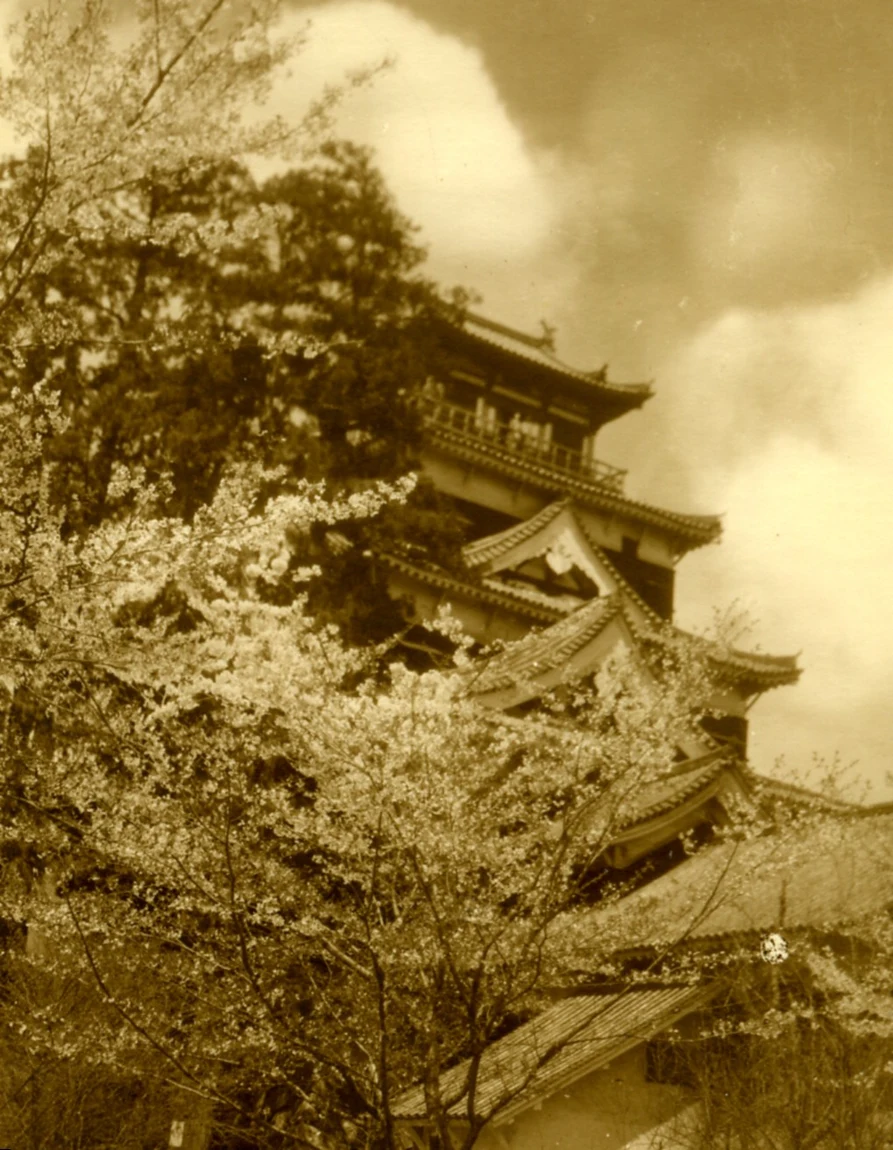
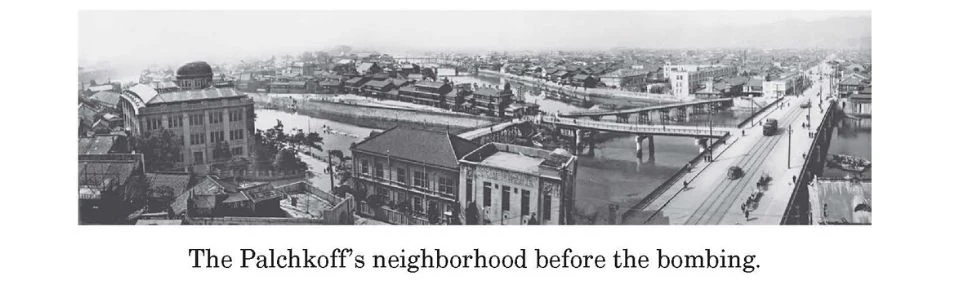
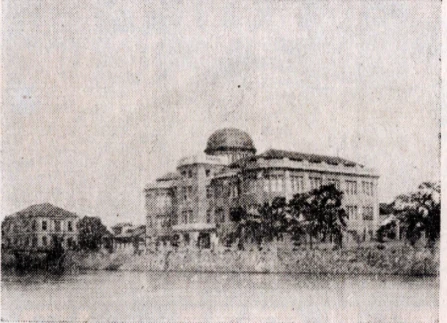

Hiroshima grew from a castle town founded in the late sixteenth century. Built on a river delta, it developed into an administrative and commercial center. Its rivers and bridges shaped movement through the city. The building now known as the Atomic Bomb Dome was originally an exhibition hall for regional industry.
The city also served as a military center. The port of Ujina sent troops overseas, and military facilities expanded as Japan’s wars in Asia widened. In August 1945 there were roughly 350,000 people in the city, including families, workers, soldiers, and students mobilized to clear buildings for firebreaks.
The people exposed included Koreans and Taiwanese from territories under Japanese colonial rule, people from mainland China, Southeast Asian students, Japanese Americans and U.S. prisoners of war. That mix matters when reading official death estimates or looking for whose names appear in memorial records.
Nakajima, a neighborhood before it was a park
The land between the Motoyasu and Honkawa rivers now leads visitors past the museum and the cenotaph. Before 1945, Nakajima was a commercial district. Look at the former-district map in Hiroshima Archive and follow the roads across the island. The modern memorial’s open space occupies land that once held homes and businesses.
The Hiroshima Prefectural Industrial Promotion Hall tells a different part of the story. Its 1929 photograph shows a complete civic building with a dome and riverfront frontage. Comparing the photograph with the preserved ruin gives the building a history beyond the morning of the bombing.