Sadako Sasaki
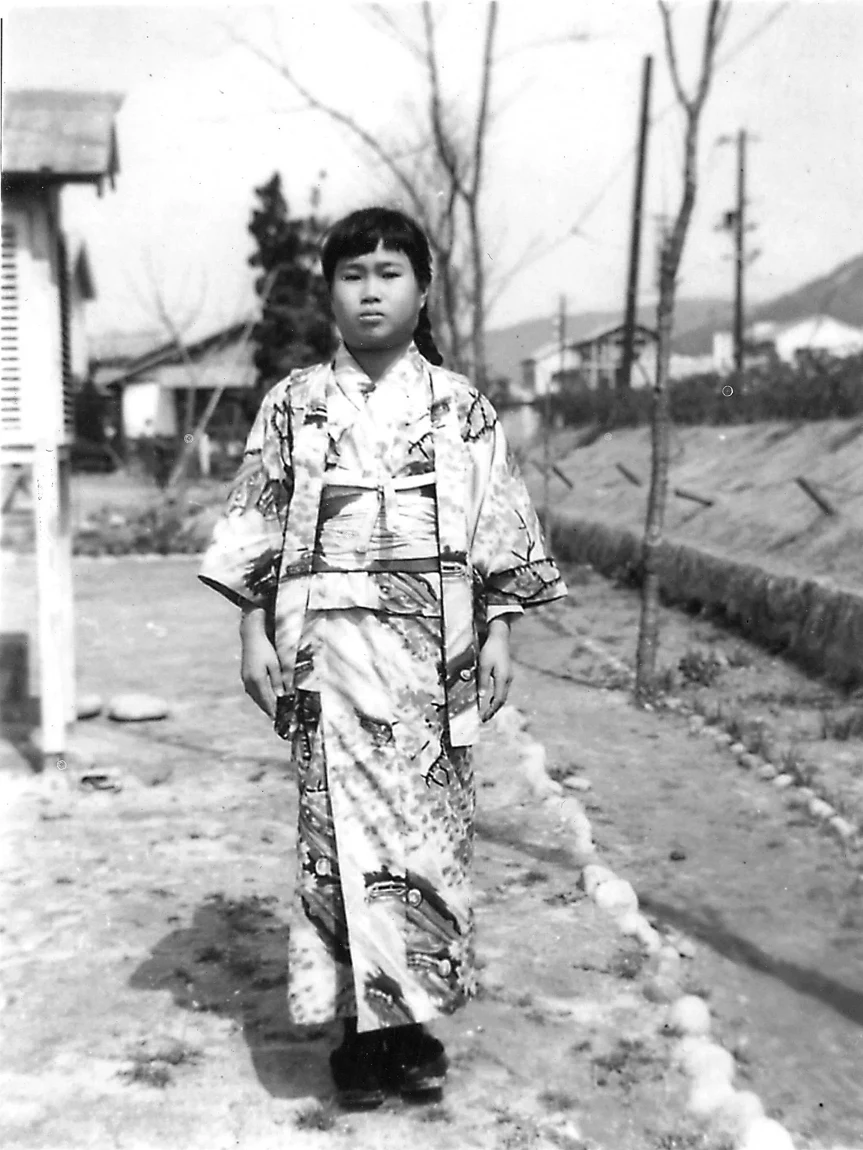

Sadako was two years old when she was exposed. She grew up and went to school before developing leukemia ten years later. Her paper cranes belong to the story of a real child who wanted to recover. After her death, her classmates organized to build a memorial for children killed by the bomb, which opened in 1958.
Setsuko Thurlow
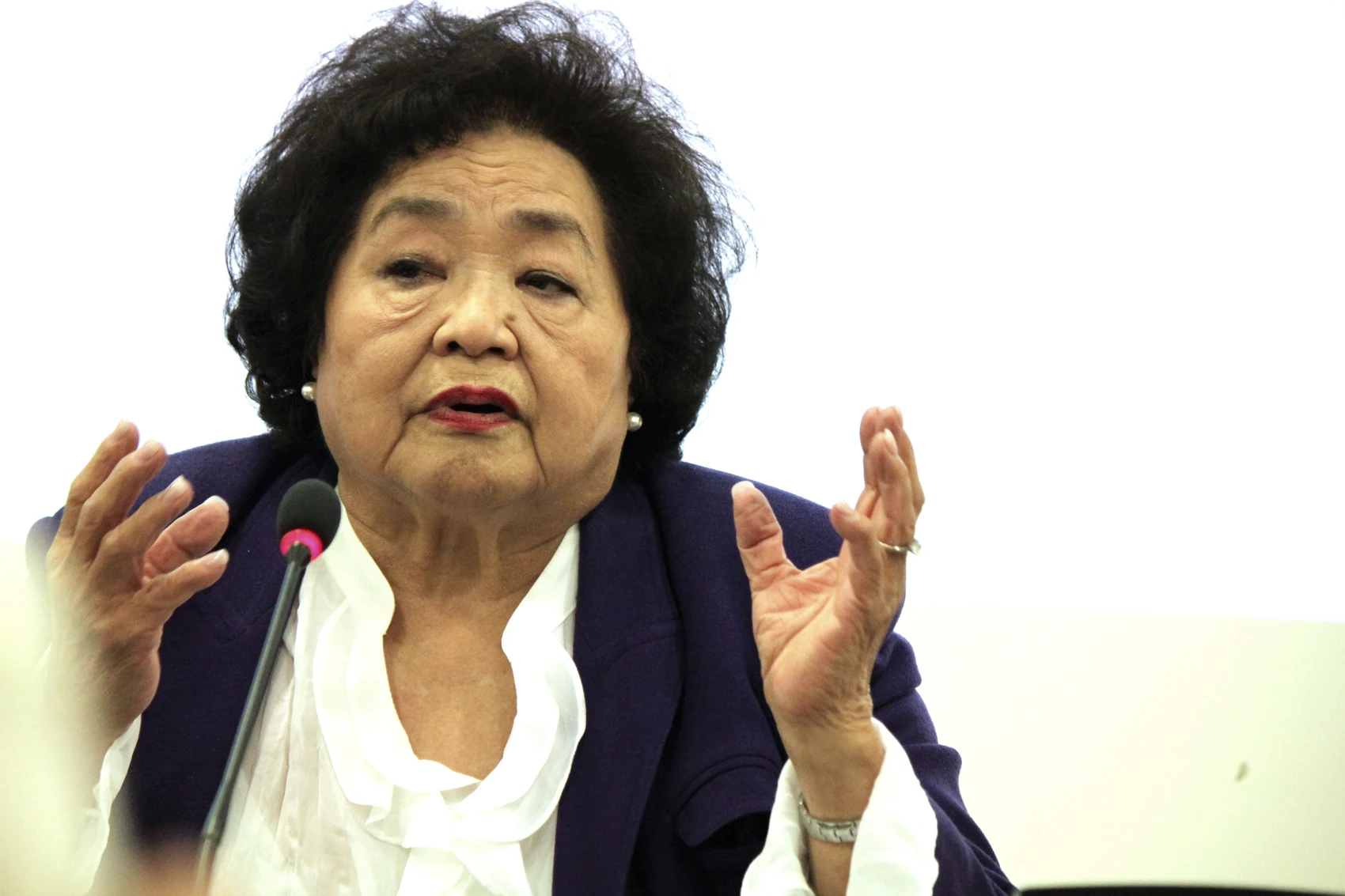

At thirteen, Setsuko was a mobilized schoolgirl. Her testimony recalls being trapped after the blast and escaping the collapsed building. She spent decades speaking about Hiroshima and helped accept the 2017 Nobel Peace Prize awarded to the International Campaign to Abolish Nuclear Weapons.
Keiko Ogura, eight years old
Ogura’s father had asked her to stay home from school on August 6. She was outside near her house when the flash came, about 2.4 kilometers from the hypocenter. Hearing her tell the story gives a child’s perspective on distance, the streets she knew, and what it meant to grow up with that memory. The Hiroshima Peace Memorial Museum has a recording in English with subtitles.
Shinichi Tetsutani and his tricycle
Shinichi was almost four. He was riding his tricycle outside his home when the bomb went off and died that night. His father, Nobuo, buried him with the tricycle in the yard. Forty years later, he moved Shinichi’s remains to the family grave and gave the tricycle to the Hiroshima Peace Memorial Museum. The museum record includes a photograph and the account of its donation.
Watch survivor testimony
Setsuko Thurlow · PBS interview
An interview about her experience as a mobilized schoolgirl and her decades of advocacy.
Setsuko Thurlow · 2017 Nobel lecture
The ICAN lecture by Beatrice Fihn and Setsuko Thurlow.
Watch the United Nations film excerpt
The excerpt comes from a film about women survivors of Hiroshima and Nagasaki.
Open the film excerpt on the United Nations’ YouTube channel ↗